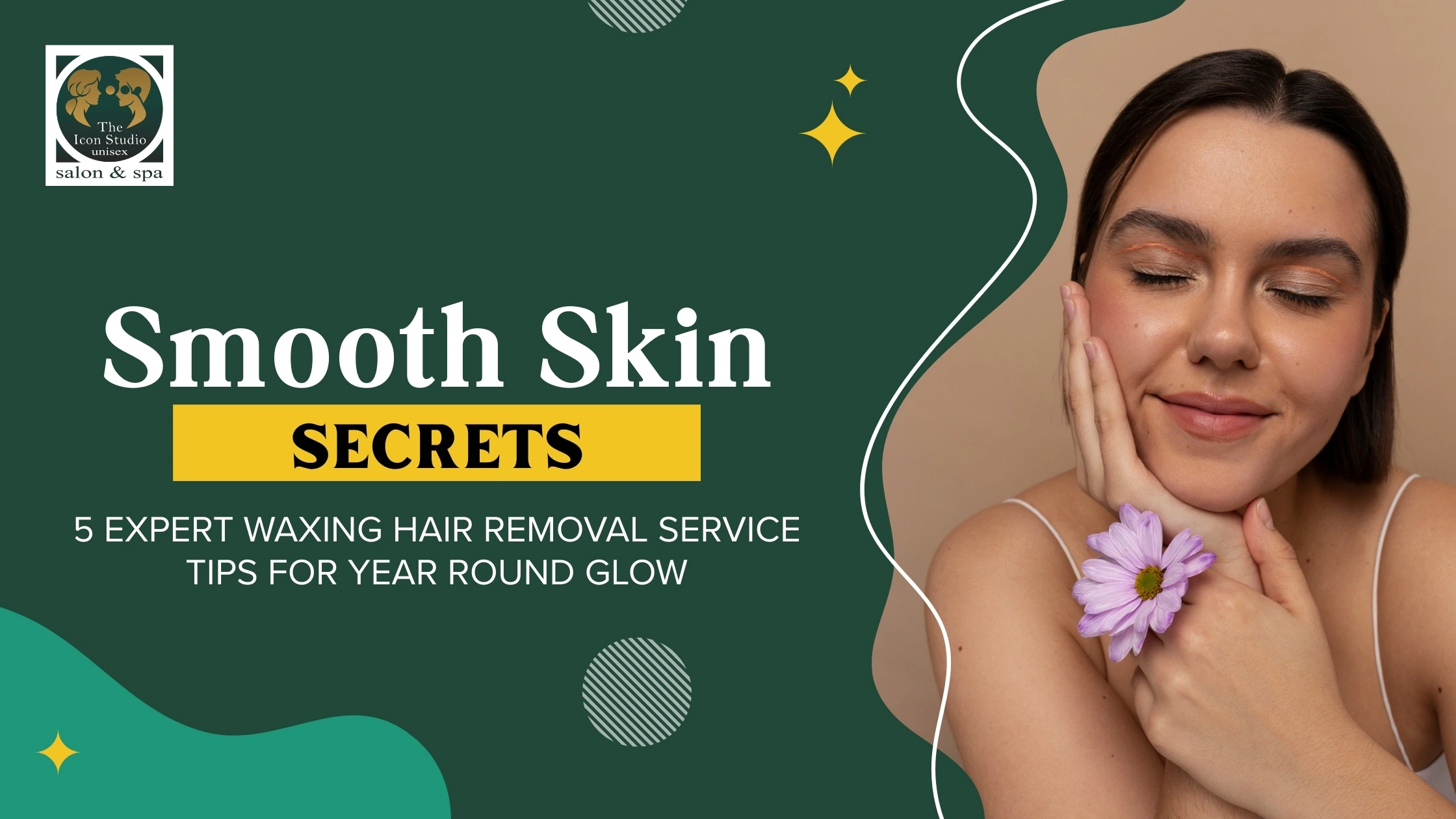
Smooth Skin Secrets: 5 Expert Waxing Hair Removal Service Tips for Year Round Glow
Achieving consistently smooth, hair free skin is not just about occasional grooming, it’s about following the right techniques, timing, and aftercare. A professional waxing hair removal service offers longer lasting results than shaving or depilatory creams, but the true benefits depend on how well you prepare for and maintain your skin before and after waxing.
This guide is designed to help you understand how to get the best results from waxing treatments throughout the year. Whether you are new to waxing or already familiar with services like bikini wax, these expert backed tips will help you enjoy healthier skin, fewer ingrown hairs, and longer-lasting smoothness. Written for The Icon Studio Blog page, this article focuses on education, skin health, and informed beauty choices.
Why Choose a Professional Waxing Hair Removal Service
Waxing removes hair from the root, which means smoother skin for weeks rather than days. When performed by trained professionals, waxing also helps reduce regrowth thickness over time and keeps skin texture even.
Compared to shaving, waxing lowers the risk of cuts, rapid regrowth, and daily maintenance. Unlike creams, it avoids harsh chemical exposure. Professional waxing ensures proper hygiene, correct wax temperature, and skin specific techniques, making it safer and more effective for long term results.
5 Expert Tips to Maintain Smooth Skin All Year
1. Prepare Your Skin Before Every Waxing Session
Skin preparation is a crucial step that directly affects waxing results and comfort. Clean, well-maintained skin allows the wax to grip hair properly instead of sticking to dead skin cells. Gentle exfoliation 24-48 hours before waxing removes buildup, reduces ingrown hairs, and improves wax efficiency. On the day of the session, avoiding oils or creams ensures better adhesion, while proper hair length helps achieve smoother, longer-lasting results with minimal irritation.
Why Preparation Matters
Proper skin preparation plays a crucial role in achieving effective waxing results. Clean, exfoliated skin allows the wax to grip hair firmly rather than slipping on surface oils. This reduces pulling discomfort, removes hair more cleanly from the root, minimizes irritation, and significantly lowers the chances of ingrown hairs or post-wax breakouts.
How to Prepare Correctly
Preparing your skin correctly before waxing helps ensure smoother results and reduces discomfort. Gently exfoliating the area 24 to 48 hours prior to your appointment removes dead skin cells and allows the wax to grip hair more effectively. On the day of waxing, avoid applying lotions, oils, or heavy creams, as these can prevent proper adhesion. Additionally, allowing hair to grow to at least a quarter inch ensures optimal removal and longer-lasting smoothness.
-
Pros
- Improves wax grip for cleaner hair removal
- Reduces pain, redness, and post-wax bumps
-
Cons
- Over exfoliation may irritate sensitive skin
- Incorrect prep can reduce waxing effectiveness
2. Follow the Right Waxing Schedule
Maintaining a proper waxing schedule is essential for achieving consistently smooth skin. Waxing too often can irritate the skin, while waiting too long allows hair to grow unevenly, making removal less effective. A balanced routine helps hair grow in a predictable cycle, improves comfort during sessions, and supports healthier skin over time.
Ideal Waxing Frequency
For most individuals, waxing every 3 to 5 weeks delivers the best results. This timeline allows hair to reach the ideal length for effective removal from the root. Larger areas like arms and legs may require slightly longer gaps, while underarms and bikini wax areas often benefit from more regular scheduling due to faster regrowth patterns.
Benefits of a Routine Schedule
Maintaining a routine waxing schedule offers long term benefits for both hair growth and skin health. With consistent sessions, hair gradually grows back finer and softer, making each appointment more comfortable than the last. Repeated waxing also reduces sensitivity over time, resulting in less discomfort during the process. Additionally, following a regular schedule promotes even hair regrowth, which helps maintain a smoother skin texture and a more polished appearance between sessions.
-
Pros
- Hair grows back finer and softer over time
- Less discomfort with repeated waxing sessions
-
Cons
- Requires planning and commitment
- Missing sessions can lead to uneven hair growth
3. Select a wax that best suits your specific skin type.
Selecting the correct wax is essential for safe, comfortable, and effective hair removal. Different wax formulations are designed to suit varying skin sensitivities and hair thickness. Hard wax grips hair without sticking aggressively to the skin, making it ideal for delicate areas such as underarms and bikini zones. Soft wax spreads thinly and removes finer hair efficiently on larger areas like legs and arms. Professional therapists carefully analyze skin condition, sensitivity levels, and hair texture before choosing the most suitable wax, ensuring minimal irritation and optimal results.
Hard Wax vs Soft Wax
Hard wax is specially designed for delicate and sensitive areas because it grips hair firmly while minimizing contact with the skin. This makes it ideal for underarms and bikini regions where irritation is more likely. Soft wax, on the other hand, spreads thinly and removes finer hair over larger areas such as legs and arms, ensuring quicker and more even results.
Why Professional Selection Matters
Choosing the correct wax is essential for skin safety and effective hair removal. Experienced therapists carefully evaluate your skin sensitivity, hair thickness, and treatment area before selecting a wax type. This personalized approach reduces redness, lowers the risk of burns or breakage, and ensures smoother results with minimal discomfort.
-
Pros
- Personalized wax selection based on skin and hair type
- Lower risk of irritation and post-wax discomfort
-
Cons
- Incorrect wax choice can cause redness or sensitivity
- Sensitive skin may still need patch testing
4. Practice Proper Aftercare to Prevent Irritation
Aftercare plays a crucial role in maintaining smooth, healthy skin after waxing. Post-wax skin is more delicate and open to irritation, making it essential to treat it gently. Avoid heat, direct sunlight, steam, and heavy workouts for at least 24 hours, as these can trigger redness or sensitivity. Applying calming products such as aloe vera gel or soothing lotions helps reduce inflammation and supports faster skin recovery. Loose, breathable clothing minimizes friction and allows the skin to heal comfortably.
Essential Aftercare Steps
After waxing, proper aftercare is essential to keep the skin calm and irritation-free. Avoid heat, direct sun exposure, and intense workouts for at least 24 hours, as freshly waxed skin is more sensitive. Applying soothing gels or aloe based products helps reduce redness and promotes faster recovery. Wearing loose, breathable clothing prevents friction, allowing the skin to heal comfortably and maintain smooth results.
Why Aftercare Protects Your Skin
After waxing, the skin remains sensitive and pores stay open for some time. Proper aftercare helps soothe irritation, minimize redness, and support faster skin recovery. It also reduces the risk of bacteria entering open pores, which helps prevent infections, ingrown hairs, and breakouts. Applying calming products and avoiding heat or friction allows the skin to heal properly, keeping it smooth, healthy, and comfortable for longer.
-
Pros
- Promotes faster healing and skin comfort
- Reduces redness, bumps, and ingrown hairs
-
Cons
- Requires temporary lifestyle adjustments
- Skipping steps may lead to irritation or breakouts
5. Keep Skin Hydrated and Exfoliated Between Sessions
Maintaining proper hydration and gentle exfoliation between waxing sessions is essential for healthy, smooth skin. Well moisturized skin remains elastic, allowing hair to release more easily during waxing. Light exfoliation removes dead skin cells that can trap hair beneath the surface, reducing ingrown hairs and uneven regrowth. Together, these habits improve comfort, results, and skin texture throughout the year.
Daily Skin Maintenance
Regular moisturizing helps maintain skin elasticity, reducing discomfort during future waxing sessions and minimizing the risk of irritation. Applying a nourishing lotion daily strengthens the skin barrier, while gentle exfoliation twice a week removes dead cells, allowing new hair to grow evenly and reducing the chances of painful ingrown hairs.
Long-Term Benefits
Consistently well cared-for skin responds better to waxing treatments, allowing hair to be removed more effectively from the root. Over time, this improves waxing results, reduces regrowth thickness, and keeps the skin smoother, healthier, and more even toned throughout the year.
-
Pros
- Helps prevent ingrown hairs
- Improves long lasting smoothness
-
Cons
- Over exfoliation may cause dryness
- Incorrect products can irritate sensitive skin
Common Areas Treated with Waxing Services
A professional waxing hair removal service can be customized for multiple areas, including legs, arms, underarms, face, and intimate zones. Treatments such as a bikini wax require expert handling to ensure comfort, hygiene, and precision, making professional services the safest choice.
Who Should Avoid Waxing Temporarily
While waxing suits most skin types, individuals with active skin infections, recent chemical peels, sunburn, or certain medical conditions should wait until skin heals. Consulting a professional before treatment helps prevent complications.
Conclusion
Maintaining smooth skin throughout the year is achievable with the right approach to waxing. Choosing a professional waxing hair removal service, following proper preparation, maintaining a consistent schedule, and practicing good aftercare all contribute to healthier, longer lasting results. Treatments like a bikini wax require expertise, precision, and proper skin assessment to ensure comfort and safety. With informed choices and regular care, waxing becomes not just a beauty routine but a skin enhancing solution.